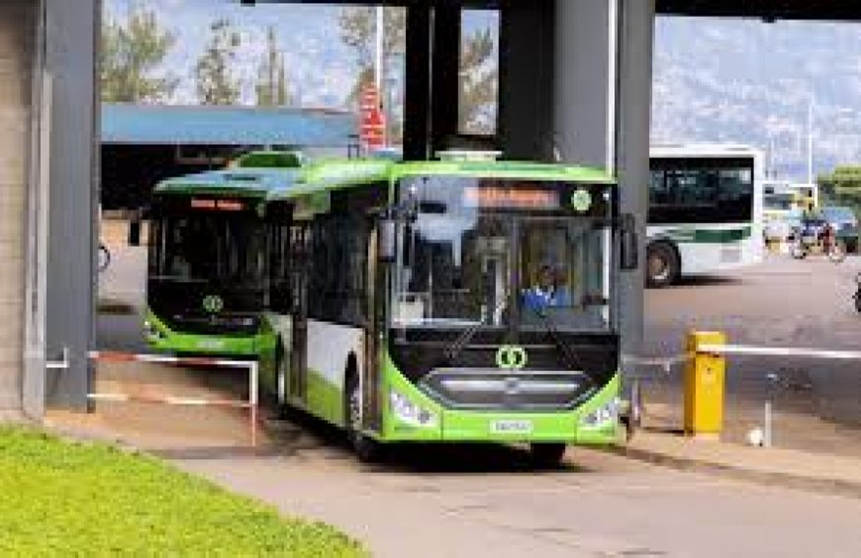
Rwanda is preparing a plan to convert gasoline-powered vehicles to electric or gas-powered vehicles, with the aim of reducing fuel prices and protecting the environment.
Rwanda is preparing a plan to convert gasoline-powered vehicles to electric or gas-powered vehicles, with the aim of reducing fuel prices and protecting the environment.
In a bid to find sustainable solutions to the problem of soaring fuel prices on the international market, the Government of Rwanda has announced that it is preparing a plan to convert gasoline-powered vehicles to electric or gas-powered vehicles.
This plan is being considered as the prices of petroleum products continue to rise worldwide, a situation that has also had a significant impact on Rwanda. In recent days, the price of gasoline has risen to almost 3,000 Frw per liter, continuing to burden drivers and those using daily transportation.

The increase in oil prices has been largely driven by ongoing conflicts in the Middle East, including the Israeli-American-Iranian conflict, which has affected the Strait of Hormuz, through which much of the world's oil passes.
The Ministry of Infrastructure says that Rwanda does not want to continue to rely solely on gasoline-powered vehicles, but wants to start introducing new modes of transportation that are environmentally friendly and cost-effective.
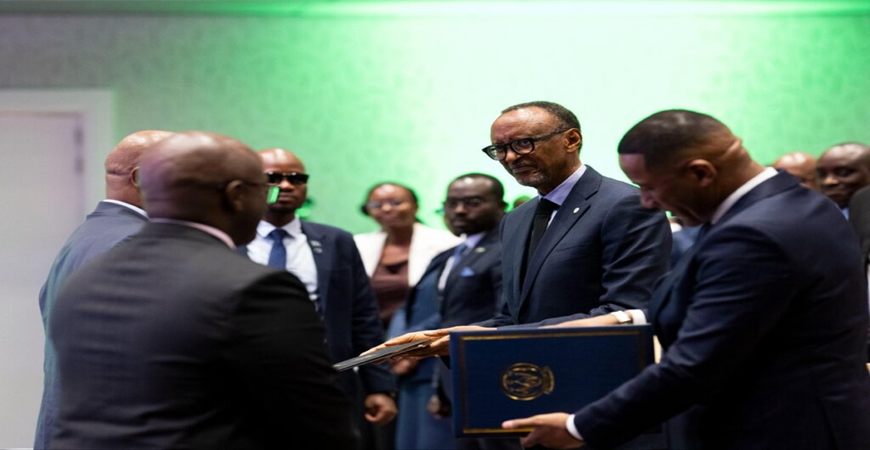
The Senior Advisor to the Ministry of Infrastructure in charge of transport, Byiringiro Alfred, said that discussions are underway between the government and international institutions that have the technology to convert conventional vehicles to electric or gas.
He noted that Rwanda has already gained experience in this area through a program to convert conventional gasoline-powered motorcycles to electric ones. To date, more than 80 motorcycles have been converted to electric ones as part of a pilot project.
Some companies in countries such as Poland and Turkey have already held talks with Rwanda, confirming that it is possible to convert conventional vehicles that use gasoline to run on gas or electricity. The Rwandan government also plans to use gas extracted from Lake Kivu to develop this mode of transportation. It is expected that from 2028, Rwanda will begin to receive large amounts of gas for cooking and use in vehicles.
Analysts say that using electric or gas-powered vehicles could reduce the country’s oil import bill and help reduce greenhouse gas emissions.
Currently, vehicles are one of the largest emitters of greenhouse gases in Rwanda, accounting for about 12% of the country’s total emissions.
The government has also decided to require public institutions to purchase at least 30% of the vehicles they purchase to be electric, as a way to set an example and promote the use of clean energy.
There is hope that this program can help Rwandans access affordable transportation, especially as oil prices continue to rise internationally.
Marc N. a novelist, French and English eBooks writer, essayist, poet and dramaturge has completed his Bachelor Degree in Literature in English with Education from UR-College of Education in 2012.