

President Paul Kagame has declared that the Rwanda Defence Forces (RDF) and other security agencies have honor and integrity that are due to good conduct, and that they cannot be changed by punishments or insults from abroad.
https://beta.publishers.adsterra.com/referral/HzjpB2cumN
On April 7, 2026, as he launched the week of mourning and 100 days to commemorate the 32nd anniversary of the 1994 Genocide against the Tutsi, President Kagame declared that the Rwandan Armed Forces derive this conduct from the struggle to stop the Genocide launched by the RPA Inkotanyi.
He said, “The culture and ethics that characterize the Rwandan Armed Forces today are derived from those difficult times. They are what guide the conduct of our troops on peacekeeping missions abroad and they have been respected everywhere.”
In early March 2026, the United States imposed sanctions on the Rwandan military and some of its leaders, accusing them of disrupting security in eastern Democratic Republic of Congo, but the Rwandan government denied the charges. President Kagame stressed that these sanctions or insults against the Rwandan military cannot erase the good history written over the past 32 years in which they have contributed to restoring peace and security abroad.
He said, “No external sanctions or insults can tarnish the honor and integrity of the Rwandan military and security forces because they are among the most capable anywhere. I will raise this issue of sanctions at the highest level to understand the reason for this injustice.”
President Kagame said that Rwandans know the consequences of extremism and that they cannot tolerate it, and that the Rwandan government understands that the fundamental principle it must follow is to protect civilians from harm, which is why it prioritizes their security.
He said, “After the Genocide, Rwandans chose to rebuild our country together, which goes hand in hand with the promise never to allow the politics of Genocide to take root again.”
The Head of State declared that Genocide cannot happen again in Rwanda, even though there are those who intend to disrupt its security, meeting in Kinshasa, such as Habyarimana’s son Juvénal and others.
He said, “Tell them, the Genocide will not happen again here, even though we hear rumors, people coming from Europe, meeting in Kinshasa, Habyarimana’s son, his relatives and others going there. All that is just rumors, it will not have any effect on us like what happened here. It will not happen. I am not saying this personally, I am saying this because I know all Rwandans, young and old, are ready to say it as I am telling you now
President Kagame explained that in eastern DRC, there is a terrorist group called FDLR, formed by former members of the government that organized the genocide, the defeated army (Ex-FAR) and the Interahamwe, which prompted Rwanda to implement security measures after carrying out cross-border attacks that claimed the lives of many Rwandans.
He said, “The western border achieved complete security in the 1990s, thanks to the dedication of our troops and the cooperation with the brave local population. Since then, our security measures have been aimed at ensuring that these attacks will not cross our border again. This is not a problem that has been imposed on Rwanda alone, because that would be like rewarding our attackers and punishing Rwanda for defending itself.”
President Kagame said that the ideology that continues to spread in the region, and if left unchecked, could pose a grave danger, like the one Rwanda experienced 32 years ago. To those who say Rwanda is exaggerating the issue, he explained that this is a disgrace like the one that caused the Genocide.
He said, “What sustains Rwanda today is the unity of Rwandans and the fact that we firmly believe that like everyone else, we have the right to live in security, have dignity and live in peace with all our neighbors. What we ask of our partners is that they join us in fighting extremism, instead of punishing Rwanda for defending itself.”
The Head of State stressed that the descendants of Rwandans must inherit a Rwanda that is secure, united and capable of confronting those who try to destabilize it, affirming that this is the debt that the elders owe them
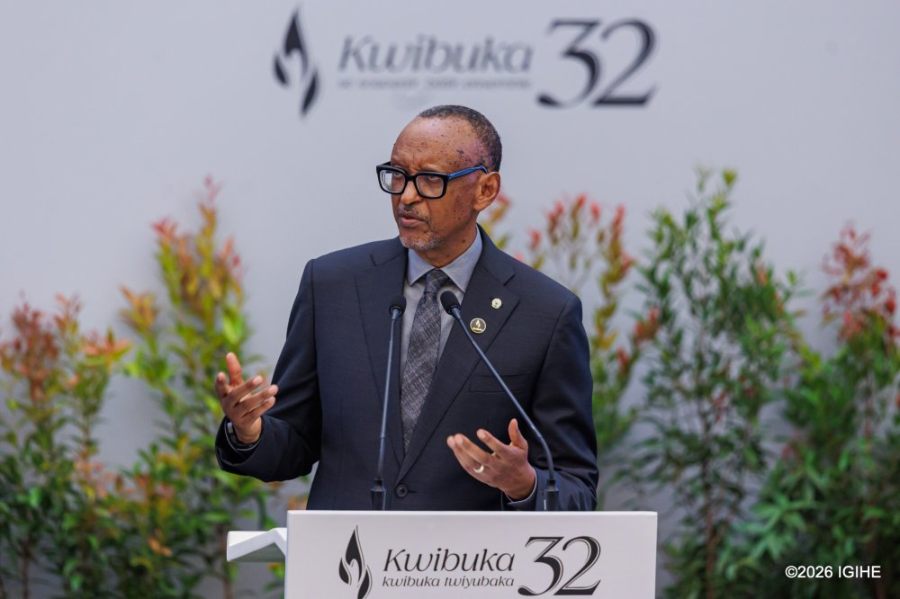
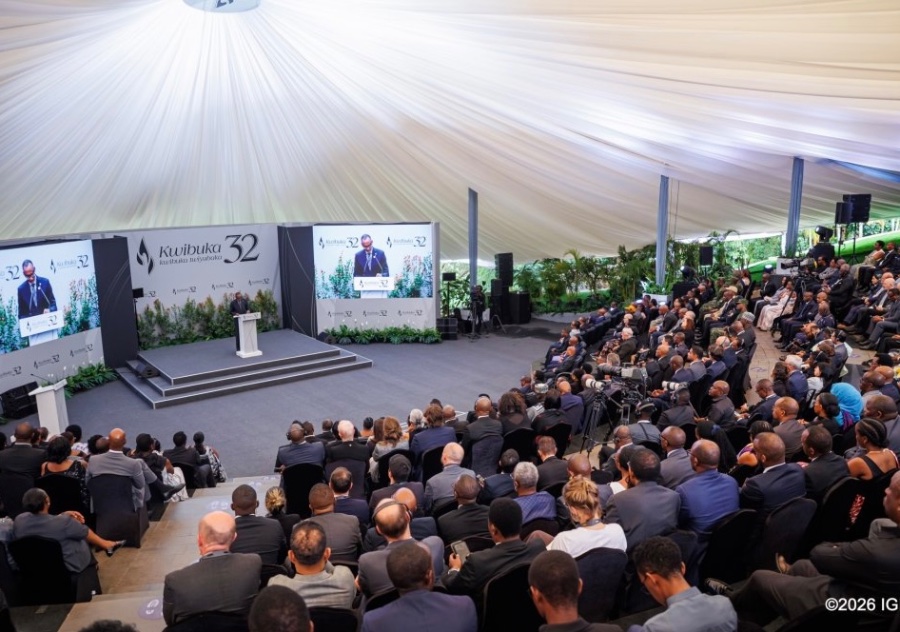
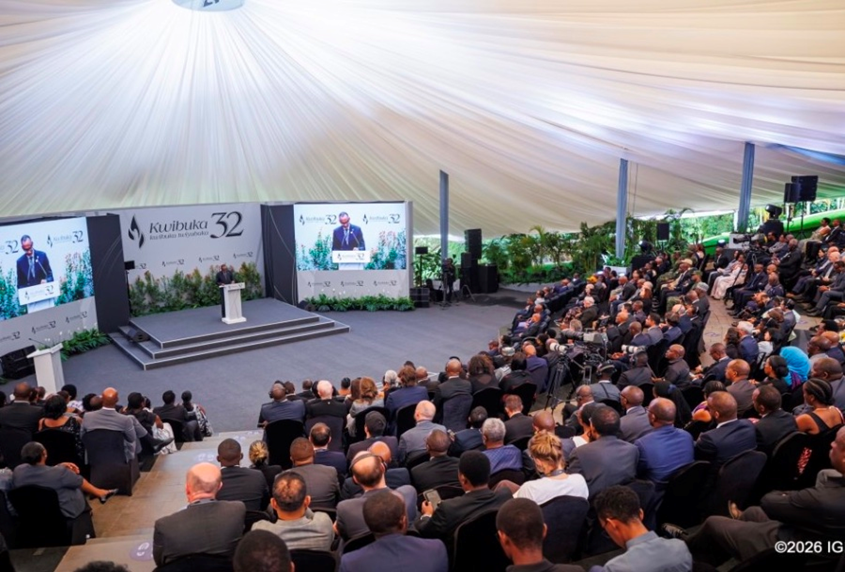
The Head of State began this message at the launch of the 32nd commemoration of the 1994 Genocide against the Tutsi
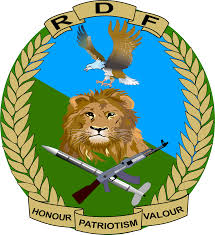
Rwanda Defence Army
The Rwanda Defence Force (RDF) is the national military, established in 1994, responsible for defending Rwanda’s territorial integrity and sovereignty. It performs roles like border protection, peacekeeping, and national development. Synonyms include protection, safeguarding, security, defense (US), resistance, and fortification. RDF units include the Army, Air Force, and specialized training academies.
Key Usage Examples and Functions of the RDF:
- Military Operations: The army is structured for rapid deployment and conducting operations.
- Training Exercises: Soldiers engage in live-fire drills, including infantry tactics with armored vehicles, as seen at the RDF Combat Training Centre in Gabiro.
- Peacekeeping: The RDF is a top troop-contributing country to UN missions in Darfur, South Sudan, and the Central African Republic.
- Defence Diplomacy: Conducting international cooperation and joint exercises to enhance interoperability.
- Education: The Rwanda Defence Force Command and Staff College (RDFCSC) train officers in leadership and security studies.
- Professional Development: Officers undertake studies like the RPA Liberation War Study Tour to understand national history.
- Ministry of Defence (MOD): Manages national defense policies, chaired by the Minister of Defence.
- Structure: Comprises the Army, Air Force, Military Health Service, and Reserve Force.
- Agencies: Includes Military Courts, Military Prosecution Department, National Defence University, and Defence Research and Development.
- Leadership: As of April 2026, Brig Gen Celestin Kanyamahanga serves as the Permanent Secretary.
- Protection: Ensuring the safety of the country and citizens.
- Security: Maintaining public order.
- Safeguarding: Protecting territorial integrity.
- Resistance: Opposing threats.
- Fortification: Strengthening defenses.
- Long Live RDF emphasizes core values of integrity, stewardship, and promptness in executing its duties