
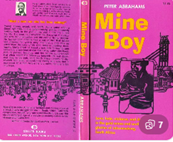
1. Discuss the theme of racism in Mine Boy
Answer
Racism is one of the major themes in Mine Boy. The novel shows how black South Africans suffer under racial discrimination in Johannesburg. Black people are forced to live in poor areas such as Malay Camp, while whites enjoy better living conditions and economic opportunities.
The miners work under dangerous conditions for low wages, while white mine owners become rich from their labor. Xuma experiences racism when he arrives in the city and realizes that black workers are treated as less important than whites. Pass laws and police harassment also show racial oppression.
Leah’s shebeen becomes a place where black people escape from suffering and share their frustrations. The novel therefore condemns apartheid and the unfair treatment of black South Africans.
2. Analyze the character of Xuma
Answer
Xuma is the protagonist of the novel. He comes from the rural areas to Johannesburg hoping for a better life. At first, he is quiet, confused, and inexperienced in city life. However, as he gains experience, he becomes more aware of social injustice.
Xuma is hardworking and courageous. He works in the mines despite the harsh conditions. He also develops sympathy for other workers and begins to understand the importance of unity among black people.
His relationship with Eliza and Maisy helps reveal different sides of his personality. Eliza wants a western lifestyle, while Maisy represents simplicity and genuine love. By the end of the novel, Xuma matures into a more confident and socially conscious man.
3. “The city is both a place of hope and suffering.” Discuss this statement with reference to Mine Boy
Answer
Johannesburg is presented as a place of opportunities as well as hardships. Many black people move there hoping to find jobs and improve their lives. Xuma also goes to the city with dreams of success.
However, the city is full of suffering. Workers face exploitation in the mines, poverty, overcrowding, crime, and racial discrimination. Women like Leah struggle to survive by selling alcohol illegally. The dangerous working conditions in the mines also lead to injuries and deaths.
Despite these hardships, the city also creates solidarity among black people. Characters support one another and resist oppression together. Therefore, Johannesburg symbolizes both hope and suffering.
4. Discuss the role of women in Mine Boy
Answer
Women play important roles in the novel. Leah is one of the strongest characters. She is independent, fearless, and protective of the people around her. Although she sells alcohol illegally, she uses her home to help struggling black workers.
Eliza represents Africans who try to adopt white culture and modern lifestyles. She is educated and ambitious but becomes dissatisfied because she feels trapped between two worlds.
Maisy, on the other hand, symbolizes true African values such as kindness, honesty, and loyalty. Through these women, the author shows different responses of black women to urban life and racial oppression.
5. Examine the theme of exploitation in Mine Boy
Answer
The theme of exploitation is clearly shown through the mine workers. Black laborers risk their lives underground but receive poor wages. White employers benefit from the workers’ labor without caring about their safety.
The miners are treated unfairly and are expected to obey strict rules. Johannes and other workers complain about the dangerous conditions in the mines. When accidents happen, black workers suffer the most.
The exploitation extends beyond the mines. Poor living conditions, lack of rights, and police harassment all show how the system takes advantage of black people. Peter Abrahams uses the novel to criticize economic and racial exploitation in South Africa.
6. Discuss symbolism in Mine Boy
Answer
Peter Abrahams uses symbolism to communicate deeper meanings. The mine symbolizes exploitation and suffering. It represents the harsh conditions under which black workers labor for the wealth of white society.
Johannesburg symbolizes both opportunity and danger. People come to the city hoping for a better future, but many experience disappointment and hardship.
The darkness of the mines also symbolizes oppression and hopelessness, while light often represents hope and awareness. Xuma’s growth throughout the novel symbolizes the awakening of political and social consciousness among black South Africans.
7. How does Peter Abrahams portray the effects of urbanization in Mine Boy?
Answer
Urbanization has both positive and negative effects in the novel. Johannesburg attracts people seeking employment and a better life. It exposes characters to new experiences and ideas.
However, urbanization also destroys traditional values and creates poverty, overcrowding, and crime. Many people lose their sense of identity in the city. Eliza struggles because she wants to fit into western culture but feels disconnected from her roots.
Families are separated, and people are forced into difficult living conditions. Through these experiences, Abrahams shows that urbanization can bring progress but also social problems.
8. “Leah is the moral center of the novel.” Discuss.
Answer
Leah acts as a mother figure and protector in the novel. She welcomes Xuma into her home and helps many struggling people in Malay Camp. Although she breaks the law by selling alcohol illegally, she does so to survive and support others.
Leah is brave and outspoken. She challenges injustice and refuses to be intimidated by the police. She also encourages unity among black people.
Her kindness, wisdom, and leadership make her respected in the community. Through Leah, Peter Abrahams presents the strength and resilience of African women under oppression.
Very nice
Nyamagabe